





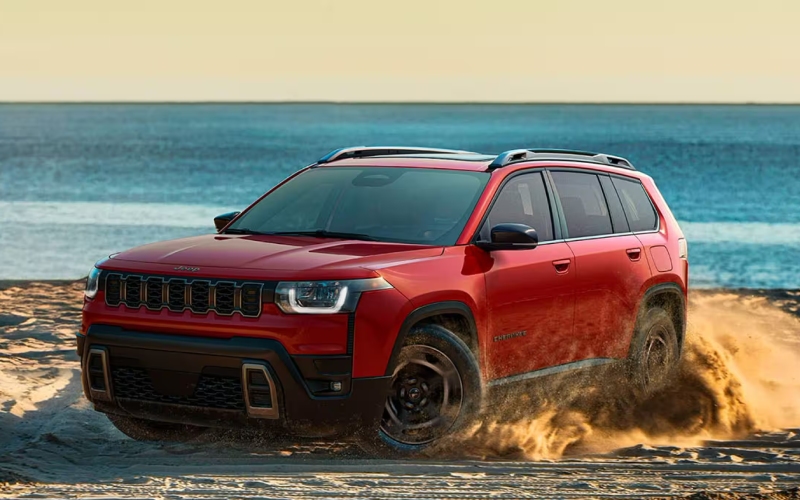
James CDJR of Cedar Lake - Road Ruts to Boat Ramps near Dyer, IN — Jeep® 4x4 vs. Subaru AWD for Shoulder Season Driving Confidence
Late winter and early spring around Dyer, IN bring the toughest mix of road conditions—overnight freeze, mid-day melt, slush berms along Calumet Avenue, and standing water near curbs and subdivision entrances. Add weekend plans like launching a small fishing boat at Cedar Lake, parking on soft shoulders at Lemon Lake County Park, or heading up to the Indiana Dunes after a rain, and the vehicle choice becomes more than a matter of style. At James CDJR of Cedar Lake, we often meet shoppers deciding between Jeep® SUVs and Subaru crossovers for this exact shoulder-season challenge. Both brands offer serious all-weather traction, yet their philosophies and hardware differ in ways that matter right here in Northwest Indiana.
Jeep designs capability from the ground up—select models feature true 4x4 hardware with available two-speed transfer cases, generous ground clearance, and the engineering behind the Trail Rated badge. Subaru delivers confident Symmetrical All-Wheel Drive paired with X-MODE for traction management, a proven formula for paved and lightly rutted surfaces. If your routes around Dyer include unplowed neighborhood streets after a lake-effect squall, snow-packed alleys, gravel driveways south of US-30, and the occasional wet boat ramp, understanding those differences helps you pick the right partner for year-round life.
Let’s use a real scenario many local drivers know well: a late-March Saturday. Morning errands involve rutted slush and puddles along Sheffield Avenue; afternoon plans include towing and launching a lightweight fishing boat at Cedar Lake; and Sunday calls for a trail walk near the Dunes with a muddy parking lane. In this shoulder-season mix, traction management, ground clearance, and low-speed control are the three pillars of confidence. Jeep’s available Selec-Terrain system, all-terrain calibrations, and—on select models—low-range gearing can help manage traction as conditions shift hour-by-hour. Subaru’s X-MODE enhances throttle mapping and wheel control on slick surfaces, offering a predictable, carlike feel on mixed pavement.
Under the skin, the brands diverge. Subaru’s Symmetrical All-Wheel Drive emphasizes a balanced power flow for surefooted road manners. Many Jeep SUVs are available with more than one 4x4 system, ranging from automatic all-wheel traction to advanced hardware like Quadra-Trac II or Quadra-Drive II, which bring a 2-speed transfer case and available rear electronic limited-slip differential. That mechanical range allows a Jeep to tailor capability from daily-driver easy to weekend-adventure rugged. Subaru’s approach shines on the paved and plowed—Jeep offers an expanded envelope when the road gets washed out or the ramp is slick with algae.
Ground clearance is often the unsung hero for Dyer-area winters. After snowplows push slush against medians and curbs, the ridge you straddle can snag low-hanging components. Many Jeep SUVs offer higher clearances than typical compact crossovers, and Trailhawk or Rubicon models deliver double-digit clearance plus underbody protection. Subaru models post competitive clearances—especially Wilderness variants—yet Jeep’s available approach and departure angles generally favor cresting berms and easing off steeper ramps. For drivers who routinely park along softer shoulders during spring sports or explore gravel backroads near the Kankakee River, that extra height and protection reduce the chance of scraping or high-centering.
Water management deserves attention in the Midwest thaw. Sump pump discharge lines, swollen culverts, and curbside puddles can challenge intake placement and electrical components. Wrangler and Gladiator post manufacturer-quoted water-fording capabilities measured in feet—up to 34 inches on certain Wrangler models when properly configured—giving extra margin in temporary, shallow standing water. Subaru does not publish similar water-fording specs for its crossovers, which is typical for car-based platforms. Regardless of brand, drivers should always avoid moving water and obey posted guidance. The point is margin—Jeep often builds in more of it for those unpredictable melt-day moments.
Daily drivability still matters most, of course. Subaru’s cabins are known for visibility and a composed ride on cracked pavement. Jeep has transformed daily comfort across its lineup with available premium suspensions, quiet cabins, and Uconnect 5—an intuitive interface that can display Navigation, Off-Road Pages, and Vehicle Dynamics so you understand what your 4x4 is doing on slush or gravel. Available driver-assistance on Jeep, including Active Driving Assist and ParkSense features on select models, helps with long I-65 commutes and tight downtown parking. Subaru’s EyeSight Driver Assist Technology is widely available and highly regarded, especially for traffic support on US-30. Both brands bring modern safety tech; Jeep adds deeper mechanical options for when the pavement ends.
Towing and low-speed control are the next deciders for shoulder-season life. Properly equipped Jeep SUVs offer higher tow ratings than many crossovers in the segment, and systems like Selec-Speed Control and Hill Descent Control help you creep down a slippery ramp or navigate a rutted alley without riding the brake. Subaru Outback, for example, is rated up to 3,500 pounds on certain trims, which covers many small utility trailers, but Jeep gives broader headroom across body styles for boats, pop-up campers, and gear. When you combine towing with muddy traction and variable grades—like those found at some local ramps or park pull-offs—the blend of low-range availability and traction modes in Jeep’s toolkit becomes a real advantage.
Spring also brings those rare but wonderful 60-degree days when you want fresh air on Wicker Avenue. Only Jeep offers factory open-air options—Wrangler and Gladiator let you pop off tops and doors for a quick taste of summer, then button back up when the temperature drops at sunset. Beyond fun, the modular design underscores the brand’s purpose-built engineering—hardware intended for environments more challenging than a wet parking lane, which pays dividends when side streets haven’t quite thawed evenly.
To make all of this easier to compare at a glance, here is a quick, shoulder-season focused look at brand strengths as they relate to life near Dyer.
- Drivetrain Philosophy: Jeep emphasizes available 2-speed transfer cases and robust 4x4 hardware; Subaru emphasizes Symmetrical All-Wheel Drive with X-MODE calibration.
- Ground Clearance and Angles: Jeep offers higher clearances and approach/departure advantages on many trims; Subaru posts competitive heights, especially on Wilderness, with more carlike angles.
- Water and Slush Margin: Select Jeep models quote water-fording capability; Subaru crossovers do not publish similar off-road water specs.
- Low-Speed Control: Jeep’s available Selec-Speed Control and low range excel on slick ramps and rutted alleys; Subaru’s X-MODE refines traction without a low-range transfer case.
- Towing Flexibility: Jeep provides broader tow headroom across body styles; Subaru covers many light-duty needs on specific trims.
- Everyday Comfort and Tech: Both deliver modern driver-assistance; Jeep adds Uconnect 5, Off-Road Pages, and hardware depth for changing surfaces.
If you’re still deciding, a simple, real-world framework can help you choose confidently.
- List your toughest week: Note the worst winter intersection, deepest slush berm, and any boat-ramp or trailhead you actually use.
- Match hardware to moments: If those moments include steep, slick, or soft approaches, prioritize a Jeep with available 2-speed transfer case and Selec-Terrain modes.
- Consider future plans: If towing or dirt two-tracks may grow over time, lean into Jeep’s capacity and clearance margin.
- Test traction locally: Visit our Cedar Lake location and drive the same day on streets you know—Wicker Avenue, US-41 transitions, and neighborhood side streets near Dyer.
At James CDJR of Cedar Lake, our team guides you through the nuance—what Selec-Terrain modes do on slush, which Jeep 4x4 systems include a low range, how Uconnect 5 can surface traction data, and which models bring the right combination of clearance, approach angles, and towing for your driveway. We serve drivers from Dyer, St. John, Crown Point, and across Lake County, and we know the conditions because we drive them too.
Frequently Asked Questions:
How does Jeep Selec-Terrain differ from Subaru X-MODE for winter driving near Dyer, IN?
Selec-Terrain offers multiple drive modes that adjust throttle, transmission mapping, and 4x4 behavior—on select systems with a 2-speed transfer case, it can also coordinate low-range engagement for precise control. Subaru’s X-MODE similarly optimizes traction and throttle for slippery surfaces but relies on the transmission and software rather than a dedicated low range.
Do I need a low-range transfer case for everyday snow and slush?
Not always. For plowed streets and light slush, advanced AWD like Subaru’s Symmetrical All-Wheel Drive or Jeep’s automatic 4x4 systems perform well. If your routine includes steep or slick launches, rutted alleys, unpaved shoulders, or heavier towing, a Jeep with available low range offers extra control and durability.
Which Jeep SUVs balance daily comfort with shoulder-season capability?
Grand Cherokee, Compass, and Wrangler each bring a different mix. Grand Cherokee pairs refined ride quality with available Quadra-Trac II or Quadra-Drive II. Compass offers smart Selec-Terrain tuning in a compact footprint. Wrangler delivers iconic open-air design and the widest off-road envelope.
Can I service my Jeep at James CDJR of Cedar Lake without an appointment?
Yes. Our Mopar Express Lane handles routine maintenance with no appointment needed, helping you stay ready for late-season weather shifts. For diagnostics or repairs, schedule with our certified technicians and we will keep you updated from start to finish.
I’m comparing Subaru Wilderness models to Jeep Trailhawk or Rubicon—what’s the key difference?
Subaru Wilderness models add lift, all-terrain tires, and dual-function X-MODE for better trail poise. Jeep Trailhawk and Rubicon build on that idea with available low range, enhanced approach and departure angles, and—on certain models—lockers and higher water-fording capability for a broader performance envelope.
When the forecast changes five times in one day, capability margin matters. Subaru builds confident, road-focused AWD that shines on plowed streets and light trails. Jeep builds in additional ground clearance, angles, and mechanical depth so the same vehicle that eases along I-394 can also crawl down a slick ramp or cross a soft shoulder without drama. If your Dyer driving life includes snow ruts, curbside puddles, occasional towing, and muddy park pull-offs, a Jeep from our lineup keeps weekend plans on schedule.
We invite you to visit James CDJR of Cedar Lake at 13007 Wicker Ave in Cedar Lake, take a back-to-back drive, and feel the difference on familiar roads. Our transparent, no-pressure approach means we help match the right Jeep to your real-world routes—then support you with expert service, Mopar parts, and convenient hours. Let’s get your shoulder-season solution dialed in before the next thaw.